
From Quote To Delivery
How Auto Transport Works.
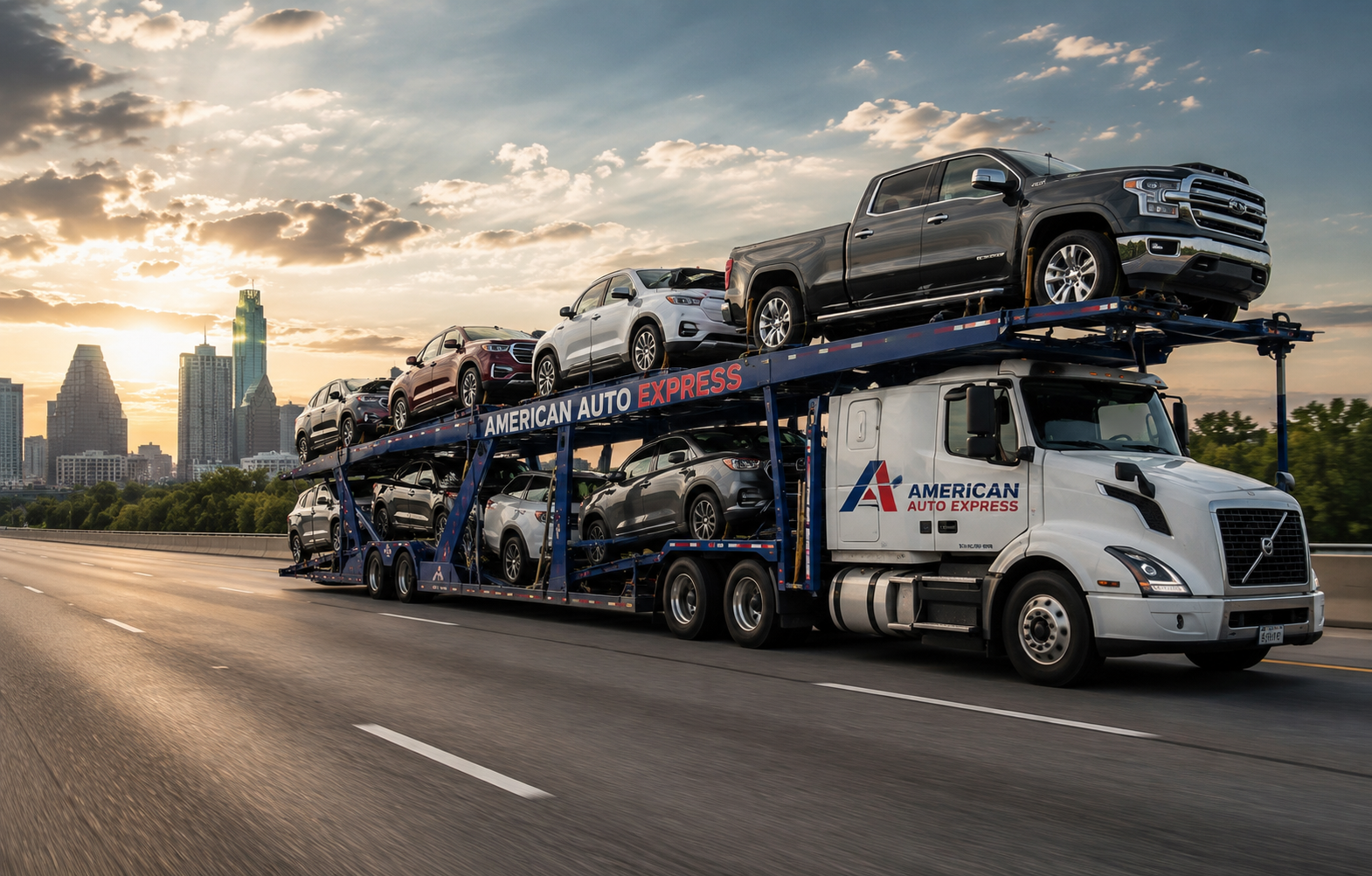
How auto transport works is simpler than many customers expect. You provide the vehicle and route information, transportation is coordinated around available carrier capacity, the vehicle is picked up, transported and delivered to the destination.
Tell us about the vehicle, pickup location and destination.
Transportation options are reviewed around your actual route.
The vehicle is prepared, inspected and transferred for transport.
Receive and inspect the vehicle at the destination.
Vehicle Shipping Made Understandable
One Vehicle. One Coordinated Journey.
Whether you're relocating, buying a vehicle online, moving a classic car or transporting a vehicle between states, the process starts with accurate information.
American Auto Express helps coordinate the transportation process from the initial route information through pickup and delivery.
Pickup location, destination, vehicle details and requested timing determine which transportation options can be reviewed.
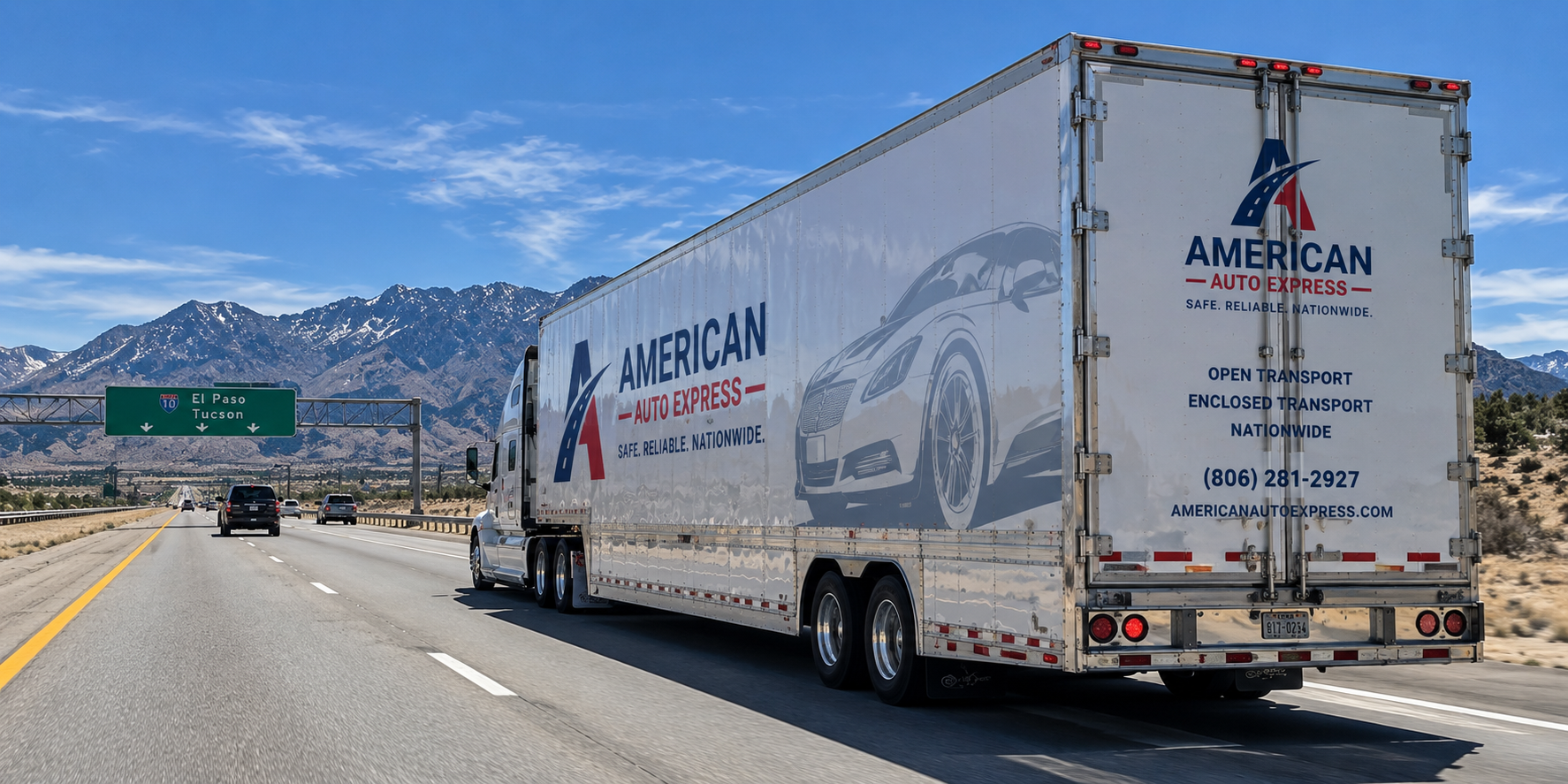
Four Stages. Start To Finish.
Request Your Quote
Provide the pickup city or ZIP code, destination, vehicle year, make, model and operating condition. Requested timing is also important because carrier availability changes.
The more accurate the information, the more accurately the transportation request can be evaluated.
Review The Route
Transportation is coordinated around the actual route, vehicle and requested timeframe. Carrier activity can vary depending on the cities, season and transportation method.
American Auto Express coordinates transportation rather than physically operating every transport vehicle. Available transportation options are reviewed for your shipment.
Pickup & Inspection
Before pickup, the vehicle should be accessible, reasonably clean and ready for transportation. During the handoff, the vehicle condition can be reviewed before it begins transportation.
Large transport equipment also requires adequate room, so some locations may require an accessible nearby meeting point.
Delivery & Inspection
At the destination, the vehicle is received and its condition should be reviewed again before the transportation process is completed.
Delivery access matters just as it does at pickup. Large transport equipment may need a nearby accessible location when residential streets or local conditions make direct access difficult.
Transportation Coordination
What Happens Behind The Scenes?
Vehicle transportation involves more than simply placing a car on a trailer. Route characteristics, vehicle dimensions, transport type and carrier availability all play a role.
The pickup and delivery locations establish the transportation corridor that needs to be covered.
Vehicle size, condition and type help determine what transportation equipment may be appropriate.
Available transportation capacity can change by route, region and season.
Pickup details can be coordinated once transportation availability is established.
Delivery planning considers the destination and access for transport equipment.
Before The Carrier Arrives
Prepare Your Vehicle For Transport.
A few simple steps can make pickup easier and help create a clear record of the vehicle's condition before transportation.
Specific carrier requirements can vary, so customers should also follow any instructions provided for their individual shipment.
Take out valuables, documents and items you do not want left inside the vehicle during transportation.
Secure or remove loose accessories when appropriate before the vehicle is transported.
Make sure the carrier can safely access the vehicle when pickup is scheduled.
A working key should be available for loading, unloading and vehicle movement as needed.
Consider taking current photographs of the vehicle before pickup for your own records.
Disclose non-running conditions, mechanical limitations or modifications that could affect loading.

Pickup Day
Inspect Before The Vehicle Moves.
Pickup is an important part of the vehicle shipping process. Before the vehicle begins transportation, its visible condition should be reviewed.
Customers should keep their own photos and review the vehicle again when it arrives at the destination.
Open Or Enclosed. The Process Still Starts The Same.
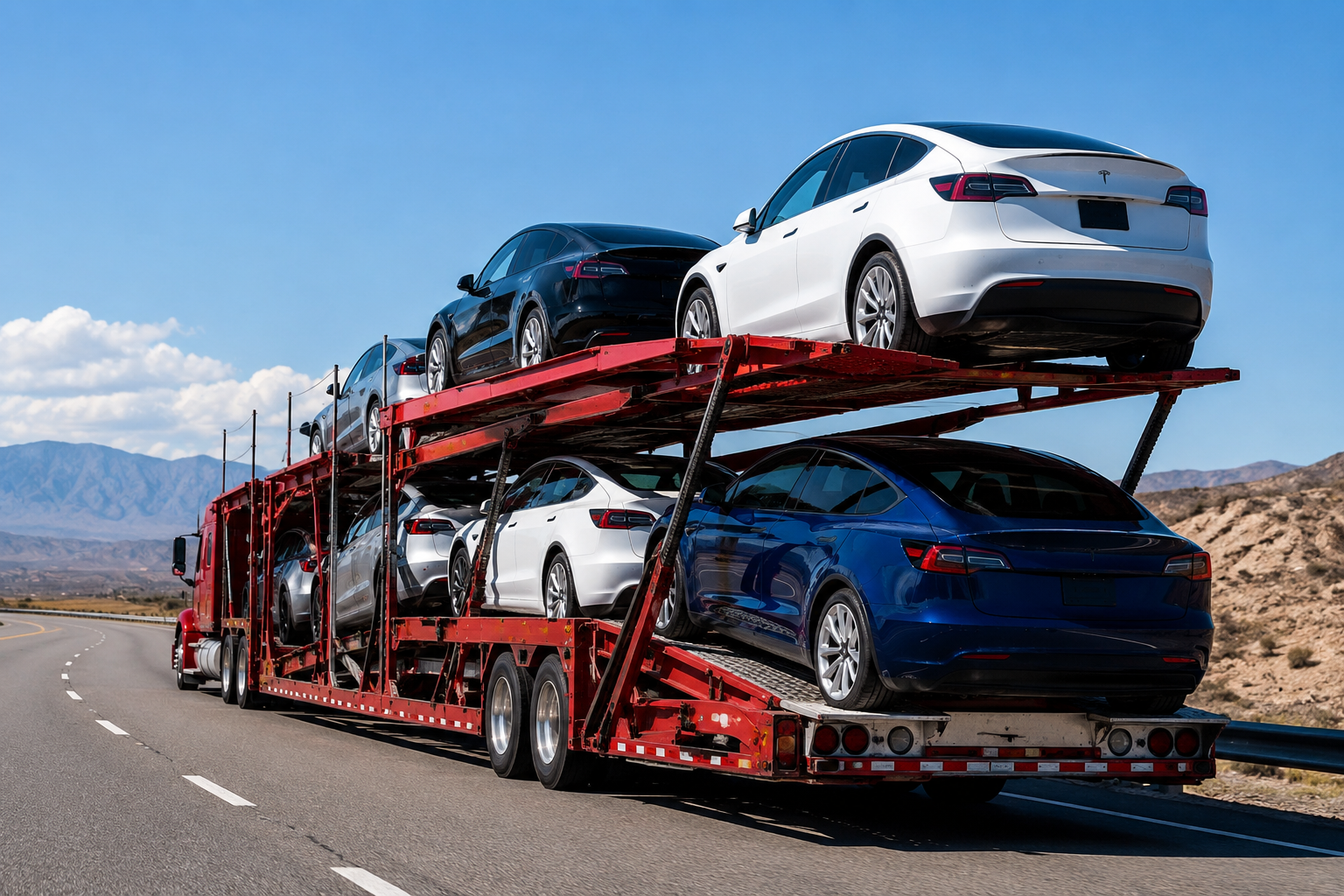
Open Auto Transport
Open transportation is commonly used for everyday cars, trucks and SUVs moving between cities and states.
Explore Open Auto Transport →
Enclosed Auto Transport
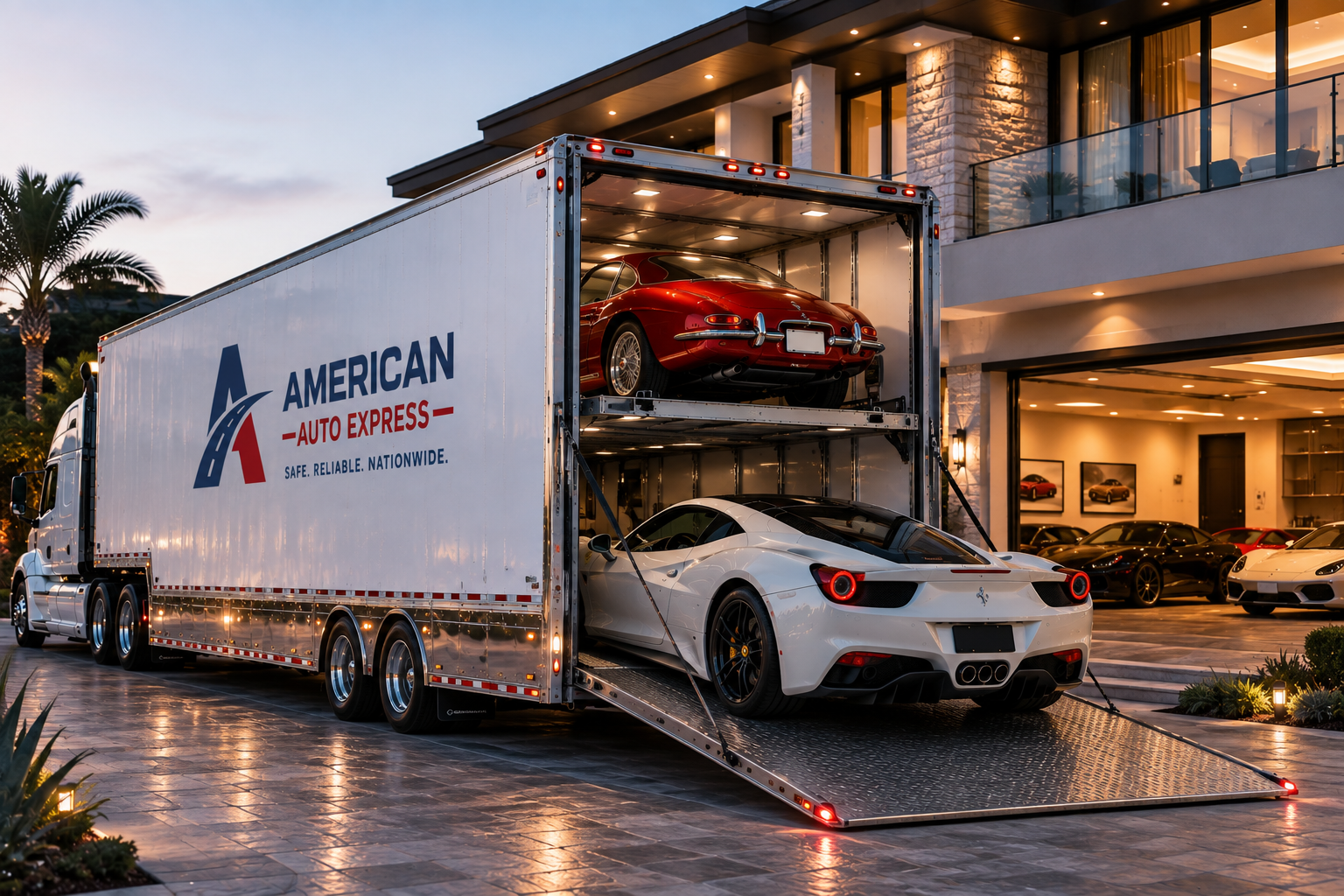
Enclosed transportation can be considered for classic, exotic, luxury and specialty vehicles when additional protection from road exposure is preferred.
Explore Enclosed Auto Transport →
The Final Step
Your Vehicle Reaches Its Destination.
When transportation reaches the destination, the vehicle should be inspected again before the delivery process is completed.
This final review gives the receiving party an opportunity to compare the vehicle's visible condition with the condition recorded at pickup.
Use an accessible location that can safely accommodate the transport equipment.
Walk around the vehicle and inspect its visible condition.
Refer to your pickup photographs and documentation when appropriate.
Complete the applicable delivery documentation after the inspection.
Before You Ship, Know This.
Vehicle transportation involves real roads, traffic, weather, carrier schedules and pickup locations. Understanding what can affect the process helps create realistic expectations.
Transportation Windows
Carrier availability and travel conditions can affect pickup and delivery timing. Transportation should not be treated like parcel shipping with an automatically guaranteed arrival time.
Door-To-Door Means Accessible
Transportation can often be coordinated near the requested locations, but large carriers may not be able to enter narrow streets, restricted communities or unsafe loading areas.
Routes Affect Cost
Distance matters, but vehicle size, origin, destination, transport type and carrier availability can also affect transportation pricing.
Keep Contact Information Current
Accurate contact information helps with pickup and delivery coordination when transportation details need to be confirmed.
Disclose Special Conditions
Non-running vehicles, oversized vehicles and significant modifications should be disclosed because they can change transportation requirements.
Be Ready At Pickup
Having the vehicle accessible, keys available and vehicle details accurate can help prevent unnecessary pickup complications.
Understand Who Is Coordinating Your Transport.
The Federal Motor Carrier Safety Administration provides consumer information explaining the roles of automobile transport brokers and carriers involved in interstate vehicle transportation.
How Auto Transport Works FAQ.
From Here To There. Start With Your Route.
Tell American Auto Express where the vehicle is located, where it needs to go and what you're shipping. We'll use those details to begin evaluating transportation options for your route.