
The Complete Vehicle Shipping Resource
Auto Transport Guide.
This auto transport guide explains how vehicle shipping works from the first quote through pickup, transportation and final delivery. Learn how to compare transportation methods, prepare your vehicle, understand pricing and know what to expect before the vehicle moves.
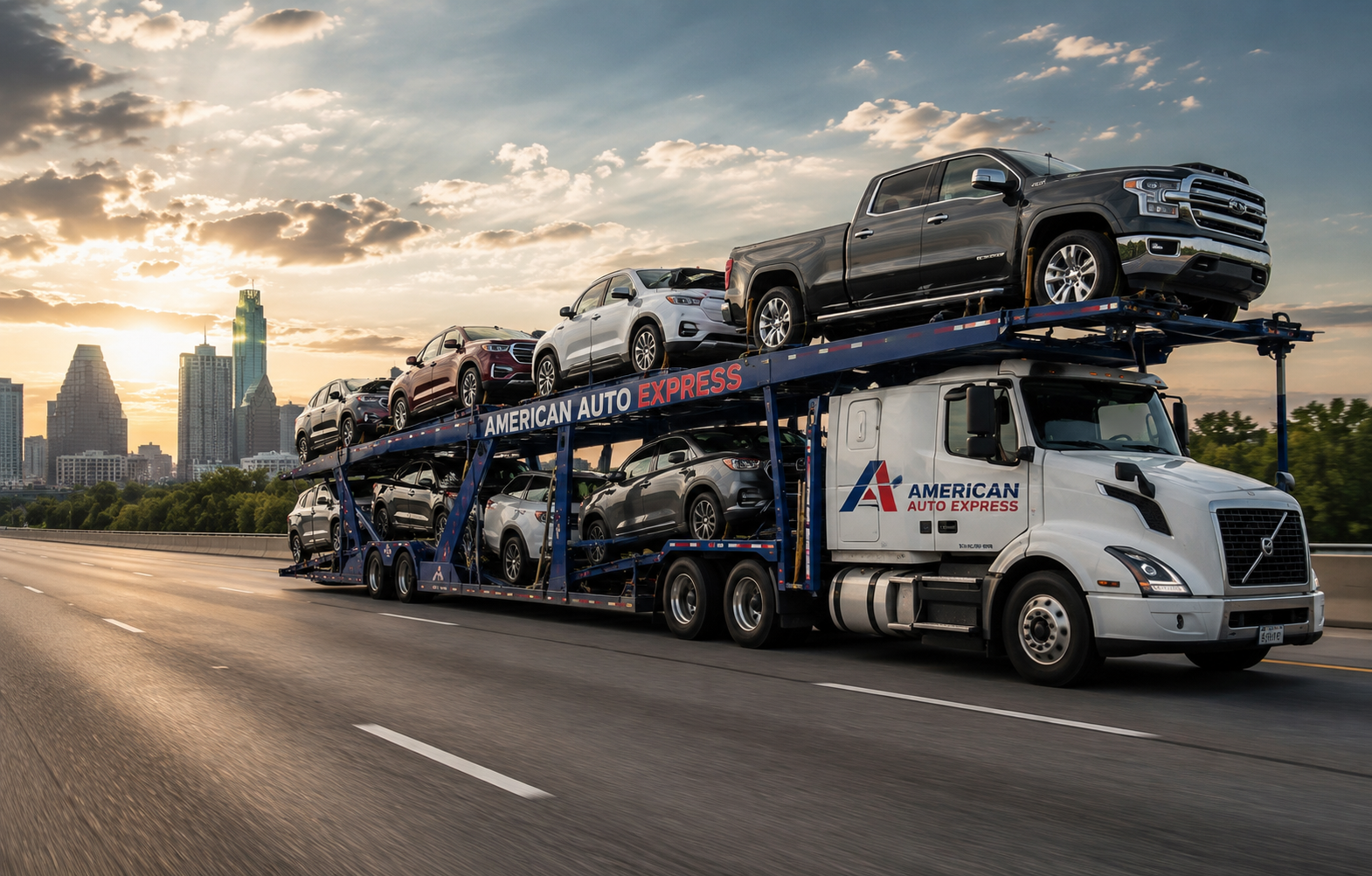
Auto Transport Basics
What Vehicle Shipping Actually Means.
Auto transport is the coordinated movement of a vehicle from one location to another using a vehicle carrier. It is commonly used for long-distance moves, online vehicle purchases, dealership inventory, military relocations, seasonal moves and situations where driving the vehicle is not practical.
American Auto Express coordinates transportation between customers and qualified carriers. The carrier physically handles and transports the vehicle.
The vehicle is made available at the agreed pickup area where the carrier can safely access it.
A vehicle carrier physically moves the vehicle between the pickup and delivery regions.
The vehicle is delivered as close to the requested destination as the carrier can safely and legally access.
The vehicle should be inspected again when it reaches the delivery location.
Know Who Does What
Broker Vs. Carrier.
Understanding the difference between a transportation broker and a motor carrier helps make the process much clearer.
American Auto Express coordinates vehicle transportation. The motor carrier assigned to the shipment is the party that physically picks up, transports and delivers the vehicle.
Auto Transport Broker
A broker arranges transportation between the customer and a motor carrier. The broker helps coordinate shipment information, carrier availability and the transportation process.
Motor Carrier
The carrier is the transportation company operating the truck or trailer that physically loads, transports and delivers the vehicle.
How Car Shipping Works.
The basic vehicle shipping process can be broken into a series of straightforward stages. Exact timing and carrier availability can vary, but the overall process generally follows the same path.
Request A Quote
Provide the pickup and delivery areas, vehicle year, make and model, vehicle condition, preferred transport method and requested timing. Accurate shipment details help produce a more useful transportation quote.
Open Or Enclosed
Most everyday vehicles are shipped using open transport. Enclosed transportation is commonly considered for collector, exotic, luxury and specialty vehicles where covered transportation is preferred.
Carrier Scheduling
Transportation is coordinated based on the shipment details, route, requested timing and available carrier capacity. Pickup and delivery dates should be viewed as scheduling windows unless a specific arrangement has been confirmed.
Vehicle Inspection
Before the vehicle moves, its condition should be reviewed and documented. Existing scratches, dents, chips and other visible condition items should be noted.
Vehicle Moves
The assigned carrier physically transports the vehicle toward the destination. Travel time can be affected by distance, route conditions, traffic, weather and other operational factors.
Delivery + Inspection
At delivery, inspect the vehicle again and compare its condition with the pickup documentation before the transportation process is completed.
Choosing Transportation
Open Vs. Enclosed Transport.
The right transportation method depends on the vehicle, your priorities and the level of covered transportation you prefer.
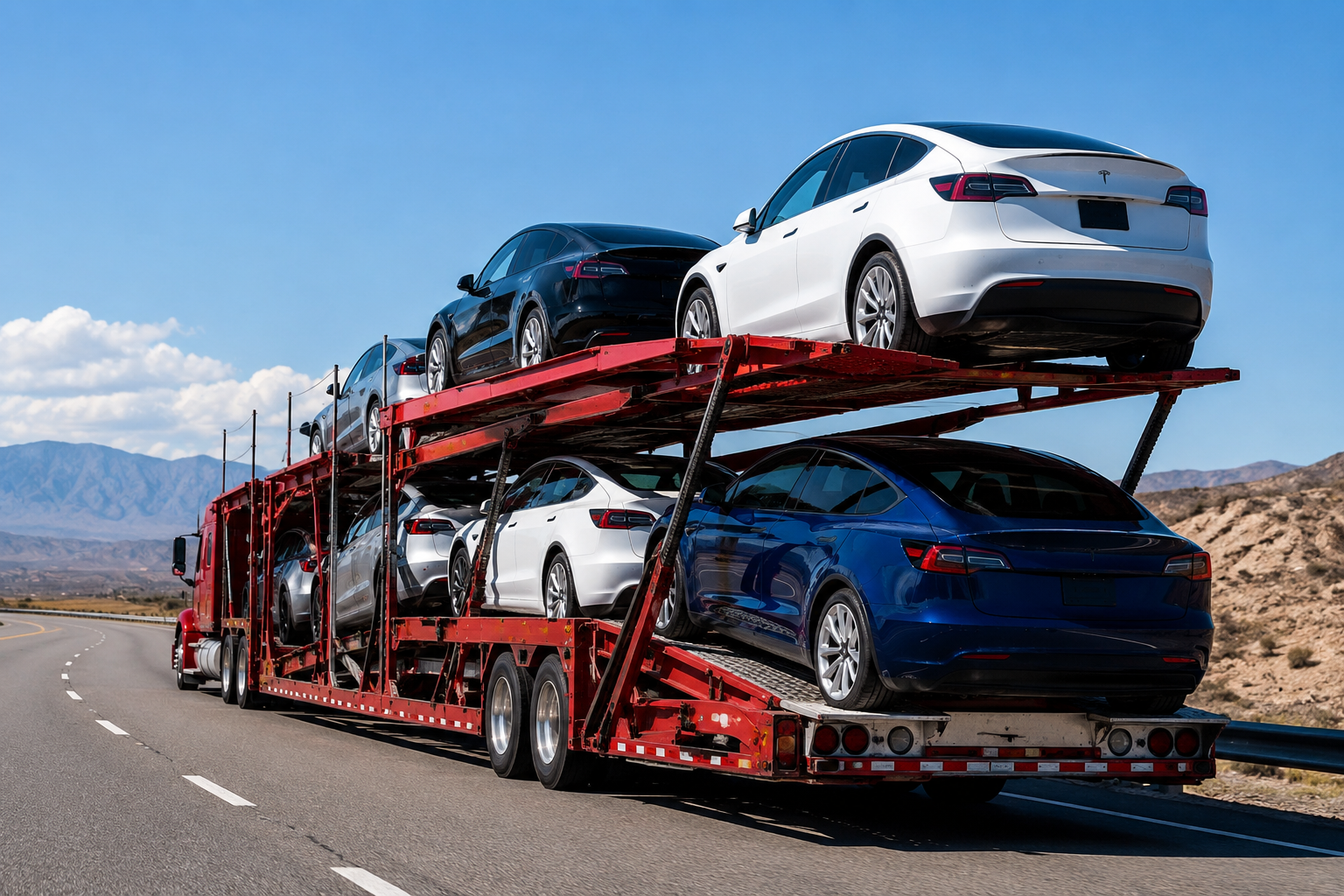
Open Auto Transport
Open transportation is widely used for everyday cars, SUVs and pickup trucks. Vehicles are transported on an open carrier and remain exposed to normal road and weather conditions during transit.
Explore Open Auto Transport →
Enclosed Auto Transport
Enclosed transportation places the vehicle inside a covered carrier. It is commonly selected for classic, collector, exotic, luxury and specialty vehicles.
Explore Enclosed Auto Transport →Understanding Transportation Cost
What Affects Car Shipping Cost.
Vehicle transportation pricing can change based on distance, vehicle size, route, season, carrier availability, vehicle condition, transportation method and requested timing.
For planning purposes, the ranges shown here represent general open-transport examples and are not guaranteed rates.
General planning range for shorter regional open transportation.
A common planning range for medium-distance interstate transportation.
Longer transportation routes may cross several carrier markets.
Long-distance transportation across multiple regions.
General planning range for many cross-country routes.
Extended cross-country transportation can vary widely by route and vehicle.

Before Pickup
Prepare The Vehicle Before It Moves.
A little preparation can make the pickup process much smoother. Requirements can vary by carrier, so confirm specific instructions before transportation.
Remove unsecured items that could move around inside the vehicle.
Identify major fluid leaks or mechanical issues before pickup.
Properly inflated tires help when the vehicle is being loaded and unloaded.
A lower fuel level is generally preferable because extra fuel adds weight.
The carrier will need working keys for loading, unloading and vehicle access.
Take clear photos and note existing visible vehicle condition before pickup.

Before The Vehicle Is Loaded
Inspect. Document. Compare.
Before pickup, review the condition of the vehicle with the carrier and document visible scratches, dents, paint damage, chips and other noticeable condition items.
Taking your own clear photographs is also useful. Photograph multiple angles of the exterior and any areas you want clearly documented before transportation.
When the vehicle arrives, inspect it again before the transportation process is considered complete. Compare the vehicle to your pickup documentation and address any concerns immediately.
Door-To-Door Transportation
As Close As Safe Access Allows.
Door-to-door transportation generally means the carrier attempts to pick up and deliver the vehicle as close as reasonably possible to the requested locations.
Large transport trucks cannot safely or legally enter every residential street, apartment complex, gated community or restricted area. Low branches, tight turns, narrow roads, weight restrictions and local rules can require meeting the carrier at a nearby accessible location.
Narrow Streets
Residential streets may not provide enough room for a large vehicle carrier to enter or turn safely.
Low Clearance
Trees, bridges, parking structures and overhead obstacles can restrict carrier access.
Restricted Areas
Gated properties, private roads or controlled-access locations can require another meeting point.
Nearby Meeting Point
A large parking lot or other safe public location can sometimes provide easier carrier access.
Scheduling + Transit
Plan With Flexibility.
Auto transport scheduling can be affected by distance, route demand, carrier availability, traffic, weather, equipment issues and other operational factors.
Because of those variables, transportation dates should generally be viewed as scheduling windows unless a specific arrangement has been confirmed.
Giving more lead time can provide additional carrier coordination options.
Exact pickup timing can change as carriers complete earlier stops and move through the route.
Long-distance transportation can be influenced by traffic, road conditions, weather and route changes.
Make sure the correct pickup and delivery contact information is available for transportation coordination.
Plan Smarter
Common Auto Transport Mistakes To Avoid.
Providing Incomplete Vehicle Details
The exact year, make, model and condition matter. Incorrect information can affect carrier suitability and transportation pricing.
Assuming Every Street Is Accessible
Large carriers need room to maneuver. Be prepared to meet the carrier at a nearby accessible location if necessary.
Skipping Pickup Documentation
Take clear photographs and review visible vehicle condition before the vehicle is loaded.
Expecting Exact Timing Too Early
Vehicle transportation involves changing road and carrier conditions, so scheduling windows are common.
Choosing Only By Lowest Price
Transportation pricing should be evaluated alongside service details, communication and the actual shipment requirements.
Ignoring Vehicle Operability
A non-running vehicle can require different loading capabilities, so the condition should be disclosed before transportation is coordinated.
When The Vehicle Arrives
Complete The Final Inspection.
Delivery is the final stage of the transportation process. Take a few minutes to inspect the vehicle before completing the handoff.
Look at all sides of the vehicle in good lighting when possible.
Review your original photographs and condition documentation.
If you have a concern about the vehicle's condition, raise it during the delivery inspection.
Once the inspection is complete, finish the delivery process with the carrier.

Vehicle Shipping FAQ.
Turn The Guide Into Your Transport Plan.
Request a quote using the exact vehicle, pickup area, delivery area and transportation preferences for your shipment.