
Auto Transport Pricing Explained
Car Shipping Cost.
Car shipping cost depends on your vehicle, route, distance, transport method and current carrier availability. There is no single flat price that applies to every vehicle shipment.
Use this guide to understand realistic planning ranges, what changes the price and how to get an estimate based on the transportation you actually need.
What Does It Cost To Ship A Car?
The ranges below are broad planning estimates for standard open vehicle transportation. They are designed to help establish a realistic budget before requesting an actual transportation quote.
0–500 Miles
$500–$850Short regional moves can still vary depending on where the carrier is located, city access and the amount of available transportation capacity.
500–1,000 Miles
$700–$1,100Common interstate routes may provide more carrier options, although the actual cities and vehicle remain important pricing factors.
1,000–1,500 Miles
$900–$1,300Longer transportation routes involve additional travel, while the cost per mile can behave differently than on shorter shipments.
1,500–2,000 Miles
$1,100–$1,500Routes covering multiple regions can be affected by carrier demand in both the origin and destination markets.
2,000–2,500 Miles
$1,250–$1,700Long cross-country routes can involve significant mileage, carrier travel and changing transportation markets along the corridor.
2,500+ Miles
$1,400–$2,000+Extended interstate moves can span nearly the entire country. Specialty vehicles and enclosed transport may increase the final transportation cost.

Origin + Destination
Distance Matters. Your Route Matters More.
Mileage is one of the biggest components of car shipping cost, but transportation routes are not priced using one universal rate per mile.
Carrier traffic between Los Angeles and Dallas can look very different from carrier traffic between two rural locations even when the total mileage is similar.
What Changes The Price?
An auto transport quote is built around a combination of real transportation variables. Changing just one of these factors can change the amount needed to move the vehicle.
Vehicle Size Matters
The Vehicle Takes Carrier Space.
An auto carrier has a limited amount of usable space and weight capacity. That means the size and configuration of your vehicle can influence car shipping cost.
This is why the exact year, make and model should be provided when requesting transportation pricing.
Generally occupy less carrier space.
A common standard size for vehicle transportation.
Can require additional space due to length and height.
Full-size and heavy-duty pickups can require more capacity.
Lift kits, oversized tires and lowered vehicles should be disclosed.

Example Shipping Scenarios.
These examples show how a planning budget can change as distance and vehicle characteristics change. They are illustrative examples, not quotes.
Sedan / 400 Miles
$500–$850A standard passenger vehicle moving within a shorter regional corridor may fall within the lower planning range.
SUV / 900 Miles
$700–$1,100+A larger SUV may require more carrier space than a sedan even when it travels within the same mileage category.
Sedan / 1,700 Miles
$1,100–$1,500A longer interstate shipment can cross multiple carrier markets before reaching the destination.
2,500+ Mile Move
$1,400–$2,000+Extended cross-country transportation can vary significantly depending on the exact vehicle, cities and transportation method.
Open Or Enclosed Changes The Price.
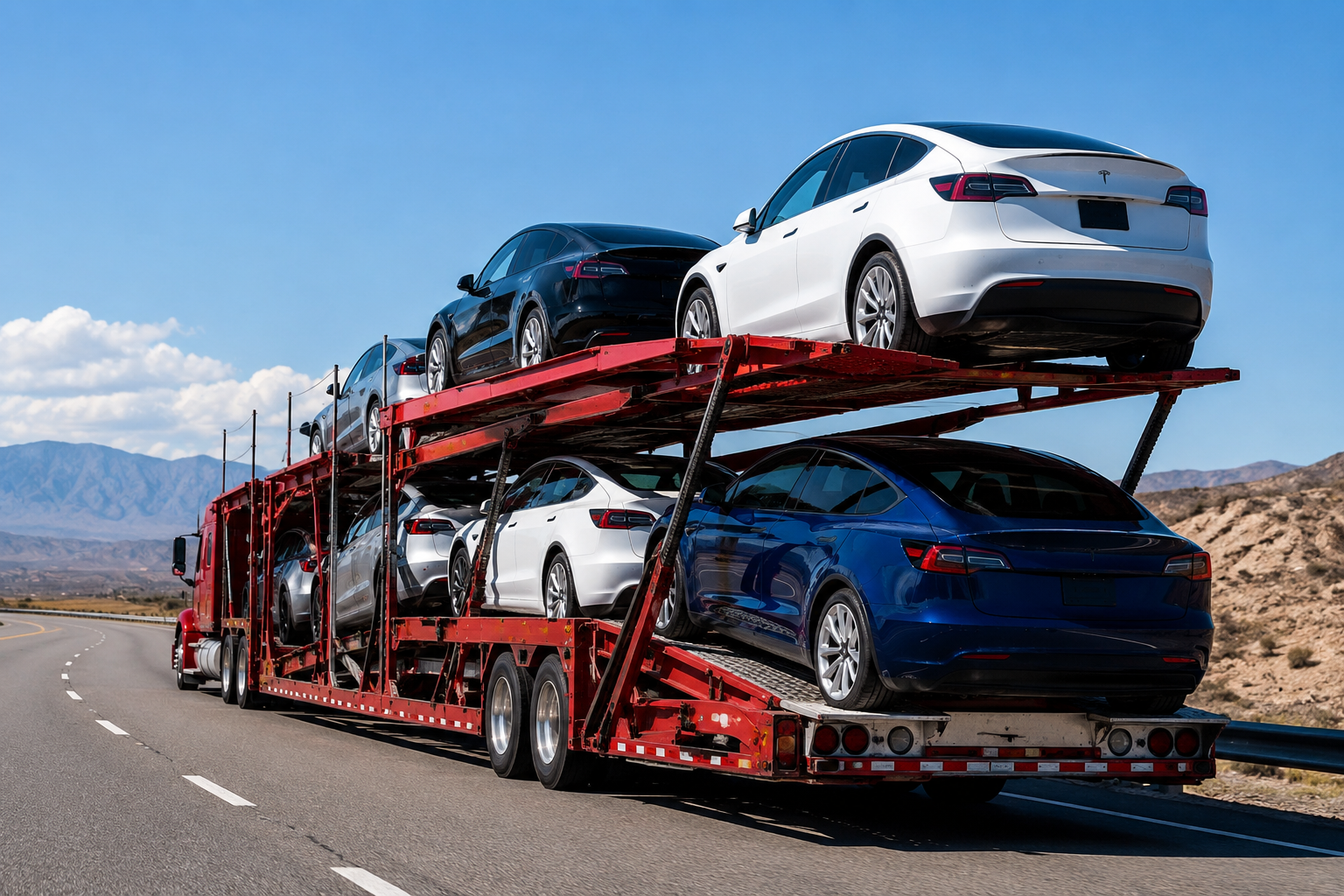
Open Auto Transport
Open transportation is widely used for everyday cars, trucks and SUVs and is generally the more economical transport option.
Explore Open Auto Transport →
Enclosed Auto Transport
Enclosed transportation typically costs more because carrier capacity is more specialized and the vehicle travels in a covered transportation environment.
Explore Enclosed Auto Transport →When You Ship Can Matter Too.
Auto transport operates in a changing carrier market. Season, direction, available capacity and requested pickup timing can influence transportation cost.
Demand Changes
Some routes experience heavier vehicle movement during different times of the year, which can affect carrier availability.
Flexibility Helps
A broader pickup window can provide more transportation options than a highly restricted schedule.
Expedited Requests
Time-sensitive transportation can require additional coordination and may affect pricing when faster scheduling is available.
Weather + Traffic
Vehicle transportation occurs on public roads, so weather and traffic conditions can influence carrier schedules.
Use The Shipping Cost Calculator.
A mileage table gives you a starting point. The next step is to combine your actual origin, destination and vehicle information into a more useful transportation estimate.
Use your route and vehicle information to build a more specific planning estimate.
Open Cost Calculator →Car Shipping Cost FAQ.
Your Vehicle. Your Route. Your Quote.
Planning ranges are useful, but your actual transportation price should be based on the vehicle and route you need to move.